iTmethods operates engineering platforms, governs AI-enabled work, and helps assure outcomes.
Founded in 2005, we have spent twenty-one years running enterprise infrastructure for regulated industries. That experience now shapes a portfolio spanning software delivery, controls for AI-enabled work and Assurance in co-design to help leaders see whether defined work met its intended outcomes.
THE REIGN PORTFOLIO
What we are. One company, four Reign capabilities.
iTmethods is the company. We operate engineering platforms, add implementation and test capacity, govern AI traffic, and are building the platform to help leaders see whether defined AI-enabled work met its intended outcomes.
Operate
Reign Ops.
Available todayiTmethods assumes the agreed operating responsibilities for the engineering tools and open source services in scope, including change, incident and lifecycle management.
Build
Reign Factory.
Available · Beta ReleaseFactory adds implementation and test capacity for eligible, well-specified work and opens a merge request in the customer’s existing review process.
Govern
Reign Gateway.
Available todayGateway applies identity, access, policy and spend controls and creates an evidence record showing the request, policy decision and outcome.
Assure
Reign Assurance.
Co-design developmentAssurance is being designed to help business and risk leaders see whether defined AI-enabled work met its intended outcomes and stayed within agreed risk and regulatory requirements.
Company Milestones
From tech-enabled managed services in 2005 to AI governed, outcomes assured, in 2026.
Founded as tech-enabled managed services provider
Cloud-native pivot, strategic partnership with AWS
Launch of Enterprise DevOps Platform
Scaling across North America and Europe
First SOC 2 Type II attestation
Early enterprise AI integration initiatives
Scaled platform support across regulated-enterprise clients
Launched the deep specialty experience for Reign for Life Sciences and joined the NVIDIA Inception program
Reign becomes the portfolio name for four capabilities: Reign Ops, Reign Factory, Reign Gateway and Reign Assurance.
Building the future of governed enterprise AI. Reign Factory in beta on real work, Reign Assurance in co-design.
Operator Heritage. Builder Discipline.
Founded 2005. Rebuilt AI-native for the agentic era.
iTmethods has run enterprise managed services for regulated industries since 2005. Operating mission-critical regulated environments for enterprises across banking, capital markets, life sciences, semiconductor and defense in North America and Europe. Support scope and service levels documented per engagement and available under NDA. Hubs in Toronto and Austin, with teams in Bangalore, Dublin, and Eastern Europe.
21 yrs
Operating Regulated Workloads
2005
Founded
Reign is built with that operator heritage at its core, and with AI-native architecture from day one. Operator heritage. Builder discipline.
Worldwide Presence
Global Resources
Technology hubs in Toronto and Austin, with teams in Bangalore, Dublin and Eastern Europe supporting enterprise customers worldwide.
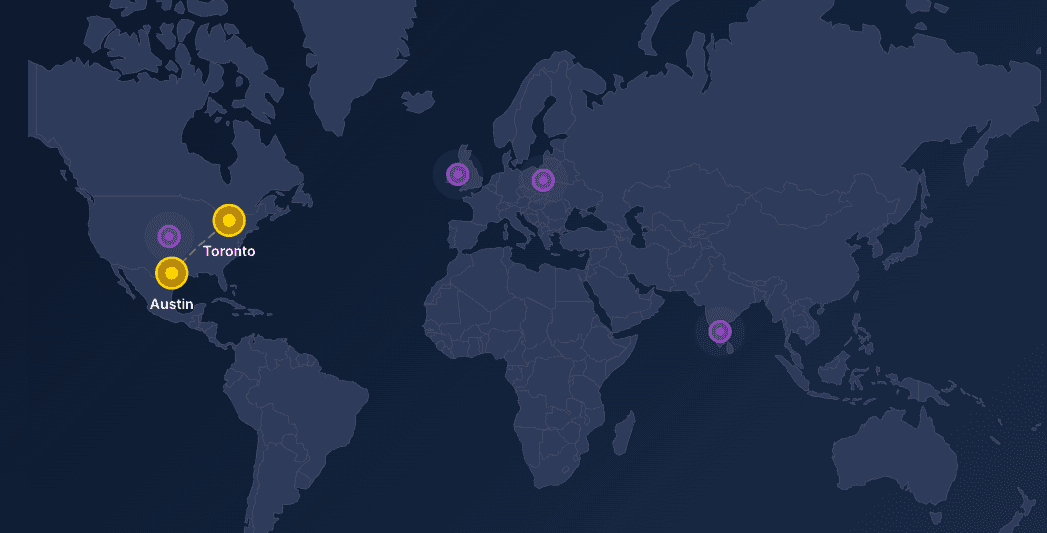
Toronto
Canada
Tech HubHeadquarters, Product & Engineering
Austin
Texas, USA
Tech HubUS Sales & Customer Success
Bangalore
India
Development & Support
Dublin
Ireland
EU Operations & Compliance
Eastern Europe
European Union
Support
Join the Team
Help build governed enterprise AI. We are a distributed team building the infrastructure regulated enterprises run critical work on.
Profitable & Growing
Sustainable growth
Remote-First
Work from anywhere